
WhatsApp Marketing for Small Businesses in India: A Practical Guide
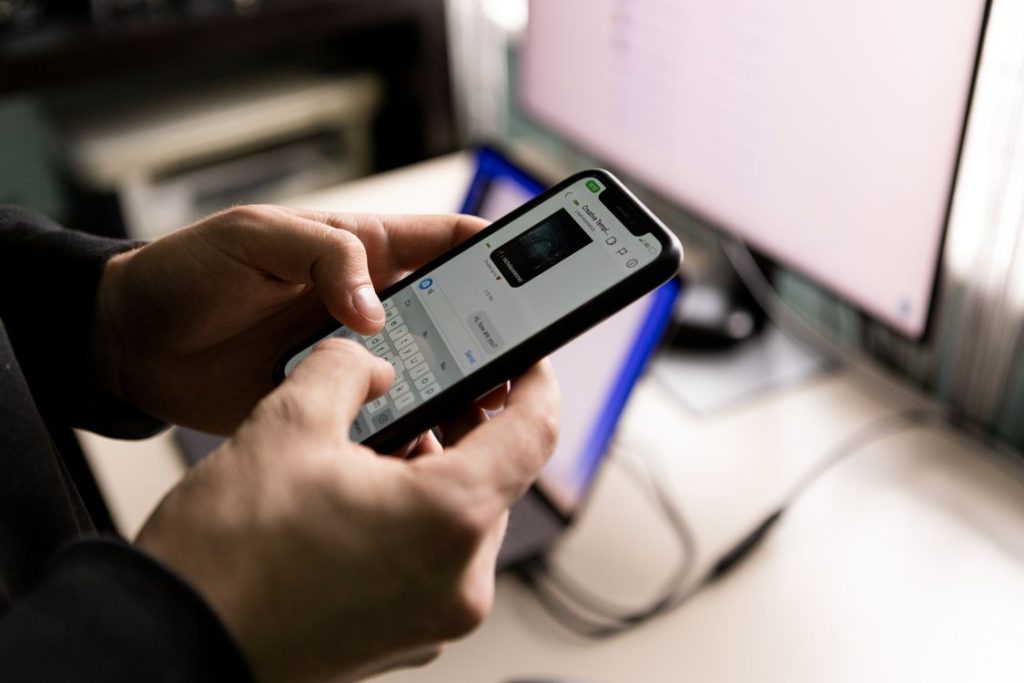
WhatsApp marketing in India is not a new trick — it is where your customers already are. In India, WhatsApp is the app people check first in the morning and last at night. They talk to family on it, they order food on it, and they message businesses on it. If your business is not reaching customers on WhatsApp, you are missing the place where most of their attention already lives.
But WhatsApp marketing is not about sending random messages to random people. Done wrong, it is spam — and customers will block you. Done right, it is the most personal marketing a small business can do: a direct conversation with people who already know you or want to hear from you.
What is WhatsApp marketing?
WhatsApp marketing means using WhatsApp to reach customers, answer their questions, share offers, and stay in touch — through the WhatsApp Business app or, for larger businesses, the WhatsApp Business API. The Business app is made for small businesses: it gives you a business profile, a product catalog, quick replies, labels for customers, and away messages.
For a small business, the app is enough. You do not need complicated software. You need a complete profile, a clear catalog of what you sell, and a habit of replying quickly and helpfully.
How WhatsApp marketing in India works for small businesses
It works because it is a conversation, not an advertisement. A customer sees your number on your website, your Instagram page, or your shop board, messages you a question, and gets a human answer in minutes. That quick, personal reply is what turns a stranger into a customer.
Here are five practical ways small businesses use it:
1. A complete business profile and catalog. Your profile is your shop window: your business name, what you do, your hours, your address, and your catalog with photos and details of your products or services. A customer should understand your business in ten seconds of looking at your profile.
2. Broadcast lists for updates and offers. A broadcast list lets you send one message to many customers at once — but each person receives it as a personal message. Use it for new arrivals, offers, and useful updates. The rule is simple: only message people who have talked to you before or asked to hear from you, and only when you have something worth saying.
3. Click-to-WhatsApp ads. These are Facebook and Instagram ads with a button that opens a WhatsApp chat with your business. Instead of sending people to a website they may never fill a form on, you start a conversation immediately. It is one of the most effective ad formats for local businesses, and it is part of our paid ads service.
4. Quick replies and customer care. Most customers ask the same few questions: price, timing, location, availability. Save quick replies for these, so you answer in seconds instead of minutes. Fast replies win orders — a customer who waits hours will message your competitor instead.
5. Groups for your best customers. A small group for regular customers — early access to new products, special prices, first news — makes people feel valued. Keep it small and useful. A group that only gets sales messages will go silent.
Why it works so well in India
Indian customers prefer chatting over filling forms. They want to ask a question, bargain a little, see a photo, and then decide. WhatsApp fits that habit perfectly. It is also how most small businesses already talk to their customers — the shopkeeper, the salon, the caterer, the tutor. WhatsApp marketing simply makes that natural habit systematic.
It also works well with local search. A customer who finds you on Google Maps often wants to message you before visiting. That is why a complete Google Business Profile and a fast website matter alongside WhatsApp — together they turn a search into a conversation and a conversation into a visit. Read our guide on local SEO to see how the pieces fit together.
Common mistakes to avoid
Messaging strangers. Never buy a list of numbers and start messaging people who never heard of you. They will report you, and WhatsApp can block your number. Only message people who have contacted you or clearly agreed to hear from you.
Too many messages. Two or three useful messages a month are welcome. Two messages a day are not. Every message should earn its place — an offer, useful information, or a reminder that helps the customer.
No clear next step. Every message should tell the customer what to do: reply with a word, tap a link, visit today, book a slot. A message with no next step is just noise.
Slow replies. WhatsApp creates an expectation of quick answers. If you cannot reply fast during working hours, set an away message that says when you will reply — and then reply on time.
Only selling, never helping. If every message is “buy this”, people stop reading. Mix in useful content: tips, behind-the-scenes photos, answers to common questions. That is what good social media and content do too — they earn attention before asking for a sale.
How to start
Starting is simple, and you can do it this week:
Step 1: Set up WhatsApp Business. Download the app, fill your profile completely — photo, description, hours, address, catalog. Make sure your number is the same one shown on your website and social media pages.
Step 2: Make it easy to reach you. Add a WhatsApp button to your website and your Instagram bio, and put your number on your shop board and visiting cards. Every place a customer sees you should offer a way to message you. Also check your website speed — a slow website loses the customer before they ever reach your WhatsApp button.
Step 3: Start with the customers you already have. Message your existing customers with something useful — a thank-you, a new arrival, a festival offer. Ask them what they want to hear about. Their answers will tell you what to send next.
Step 4: Reply fast, every time. Set up quick replies for common questions, and check messages regularly during your working hours. Speed is the simplest advantage a small business has.
WhatsApp is the conversation, not the whole business
One honest note: WhatsApp cannot replace your website. WhatsApp is where the conversation happens; your website is where customers check you out, see your full range, and trust you. A business with only WhatsApp and no website looks temporary. A business with both looks established. If you do not have a website yet, our web development service can build one for you.
Used well, WhatsApp marketing in India is the closest thing to a shopkeeper who knows every customer by name — at the scale of hundreds of customers. Start small, message only people who want to hear from you, reply fast, and let every message be useful. That is the whole secret.
If you want help setting it up — business profile, catalog, click-to-WhatsApp ads, or a WhatsApp button on your website — message us on WhatsApp at +91 89996 76214. You can also start with our free website audit to see how your website and WhatsApp presence are working together, or reach us through the contact page.
Is WhatsApp marketing free for small businesses?
The WhatsApp Business app itself is free to use — you can set up a profile, catalog, and quick replies without paying. Ads that bring people to your WhatsApp chat (click-to-WhatsApp ads) do cost money, and larger businesses using the WhatsApp API pay per conversation. For most small businesses, the app plus good habits is enough to start.
Do I need the WhatsApp Business app, or is normal WhatsApp enough?
Use the Business app. It gives you a business profile, product catalog, labels to organize customers, quick replies, greeting messages, and away messages — none of which normal WhatsApp offers. It also shows customers that you are a business, which builds trust.
How many WhatsApp messages should I send to customers?
Quality matters more than quantity. Two or three useful messages a month — an offer, a new arrival, genuinely helpful information — work far better than daily messages. Send only when you have something worth saying, and only to people who have talked to you before or asked to hear from you.
Can WhatsApp replace my website?
No. WhatsApp is where conversations happen; your website is where customers check your full range, read about you, and decide to trust you. A business with a website and WhatsApp looks established. Use both together: your website brings people in, and WhatsApp turns them into customers.
